From Harvest Feasts to Dancing Dragons: The Evolution of Traditional Folk Festivals
Traditional folk festivals have long served as community anchors, marking seasonal cycles and cultural identity. In recent years, these events have undergone notable transformations as organizers balance heritage preservation with modern audience expectations. This analysis examines key trends, historical roots, stakeholder concerns, potential societal impact, and emerging directions for these evolving celebrations.
Recent Trends in Folk Festival Adaptations
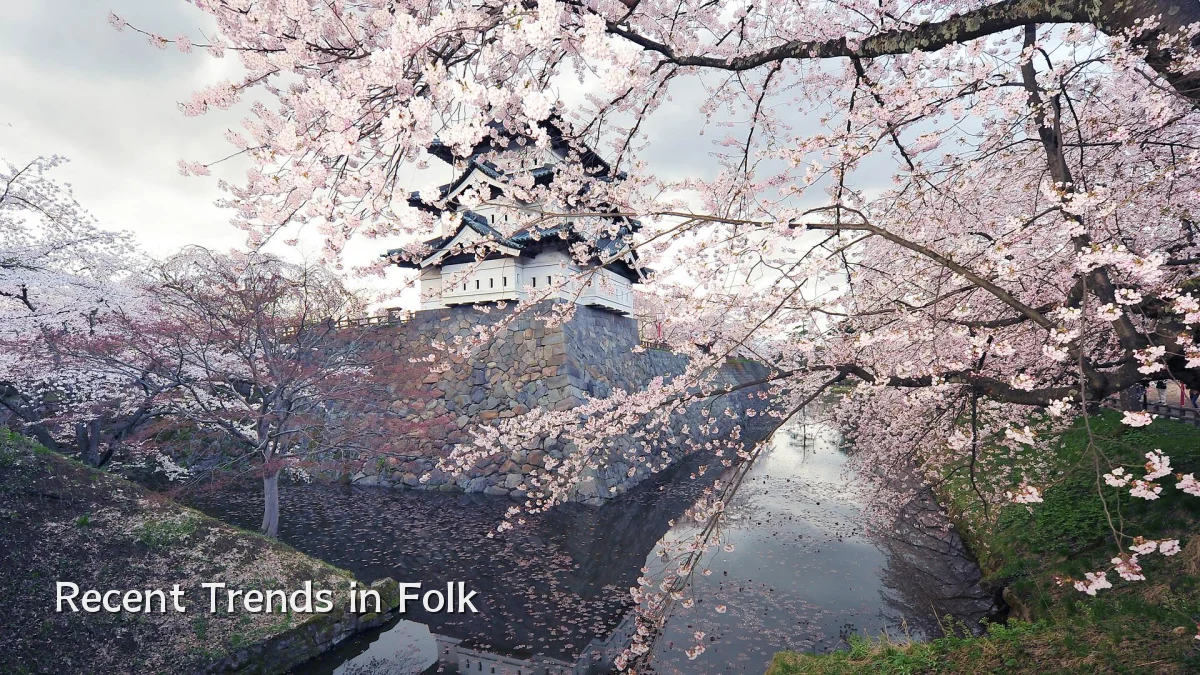
- Hybrid formats have become common, with many festivals offering both in-person gatherings and digital streaming components to broaden access without losing local character.
- Commercial sponsorship and tourism partnerships have grown, prompting smaller events to redesign elements such as parade routes, vendor layouts, and ticketing systems.
- Increasingly diverse programming—including workshops, curated food experiences, and art installations—aims to attract younger audiences while augmenting traditional rituals.
- Safety and crowd-management protocols, refined after public health concerns, now often include capacity limits, timed entry, and contactless payment options.
- Environmental sustainability initiatives, such as waste reduction and carbon offset programs, are being adopted by many major folk festivals.
Background: Origins and Symbolic Shifts
Most folk festivals originate from agricultural calendars—harvest thanksgivings, solstice bonfires, or spring fertility rites. Over centuries, these events absorbed regional motifs, such as dragon dances in East Asian communities or mask parades in European carnivals. The transition from subsistence-based celebrations to secular, inclusive spectacles accelerated after industrialization, when rural populations moved to cities and festivals became deliberate expressions of cultural heritage. Today, even deeply symbolic elements—like dragon processions—are often reinterpreted as both a nod to ancestry and a crowd-pleasing performance. The shift reflects a broader tension between ritual authenticity and entertainment value.

User Concerns: Authenticity, Access, and Change
- Authenticity erosion: Longtime attendees worry that commercialization dilutes sacred or community-led aspects. Some festivals now hold closed ceremonies for initiates separate from public events.
- Economic barriers: Rising ticket prices and travel costs can exclude lower-income residents. Many organizers have introduced sliding-scale fees or free-entry days to address this.
- Crowding and visitor behavior: Popular festivals face complaints about noise, litter, and disrespectful crowds. Zoning committees increasingly enforce quiet hours and designated family areas.
- Loss of traditional skills: Fewer artisans and performers are trained in classic crafts (mask carving, folk music, ritual choreography). Workshops and grants are emerging responses.
- Climate and scheduling: Unpredictable weather and shifting seasonality disrupt harvest-based festivals. Some have moved to fixed calendar dates rather than lunar or crop-dependent schedules.
Likely Impact on Communities and Cultural Preservation
| Aspect | Positive Impact | Risks |
|---|---|---|
| Economic vitality | Influx of tourism revenue; local job creation in hospitality and crafts. | Gentrification; displacement of original participants from central spaces. |
| Cultural transmission | Recording and archiving of rituals; wider awareness among diaspora. | Oversimplification or sanitization of complex traditions for mass consumption. |
| Social cohesion | Intergenerational mixing; revived neighborhood pride. | Factional disputes over governance; marginalization of minority practices. |
| Environmental footprint | Adoption of reusable materials; reduced single-use waste. | Increased travel emissions from large crowds; pressure on local resources. |
What to Watch Next: Innovations and Policy Directions
- More festivals are integrating digital storytelling—augmented reality overlays explaining ritual symbolism or multilingual audio guides for global audiences.
- Local governments are developing “cultural event frameworks” that set minimum standards for community consultation and profit-sharing from festival-related sales.
- Experimental programming—such as “slow festival” initiatives with smaller, more frequent gatherings—may counter overtourism while deepening community bonds.
- Collaborations with academic institutions are growing, aimed at documenting intangible heritage and training new generations in traditional arts.
- Regulatory attention to safety, insurance, and noise ordinances will likely increase, especially for festivals that mix fire, puppetry, or large mobile structures like dragon floats.
As folk festivals continue to adapt, the core tension remains: how to honor ancient roots while staying relevant in a rapidly changing world. The next decade will test whether these events can retain their soul without losing their crowd.